
WHAT IS CODE ENFORCEMENT?
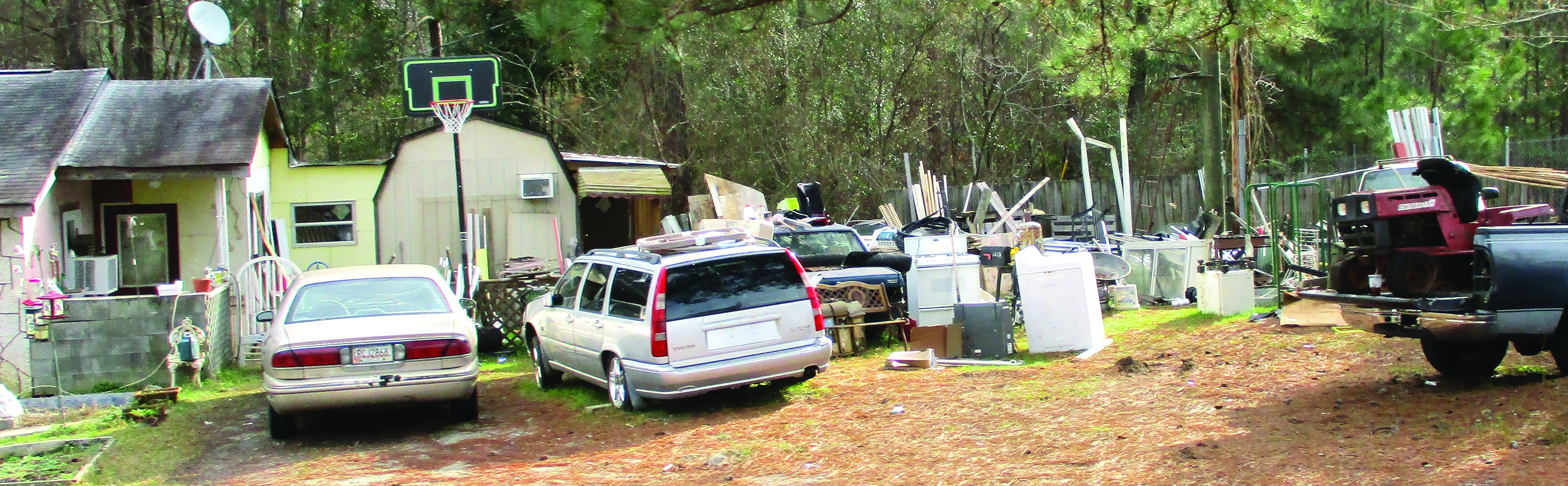
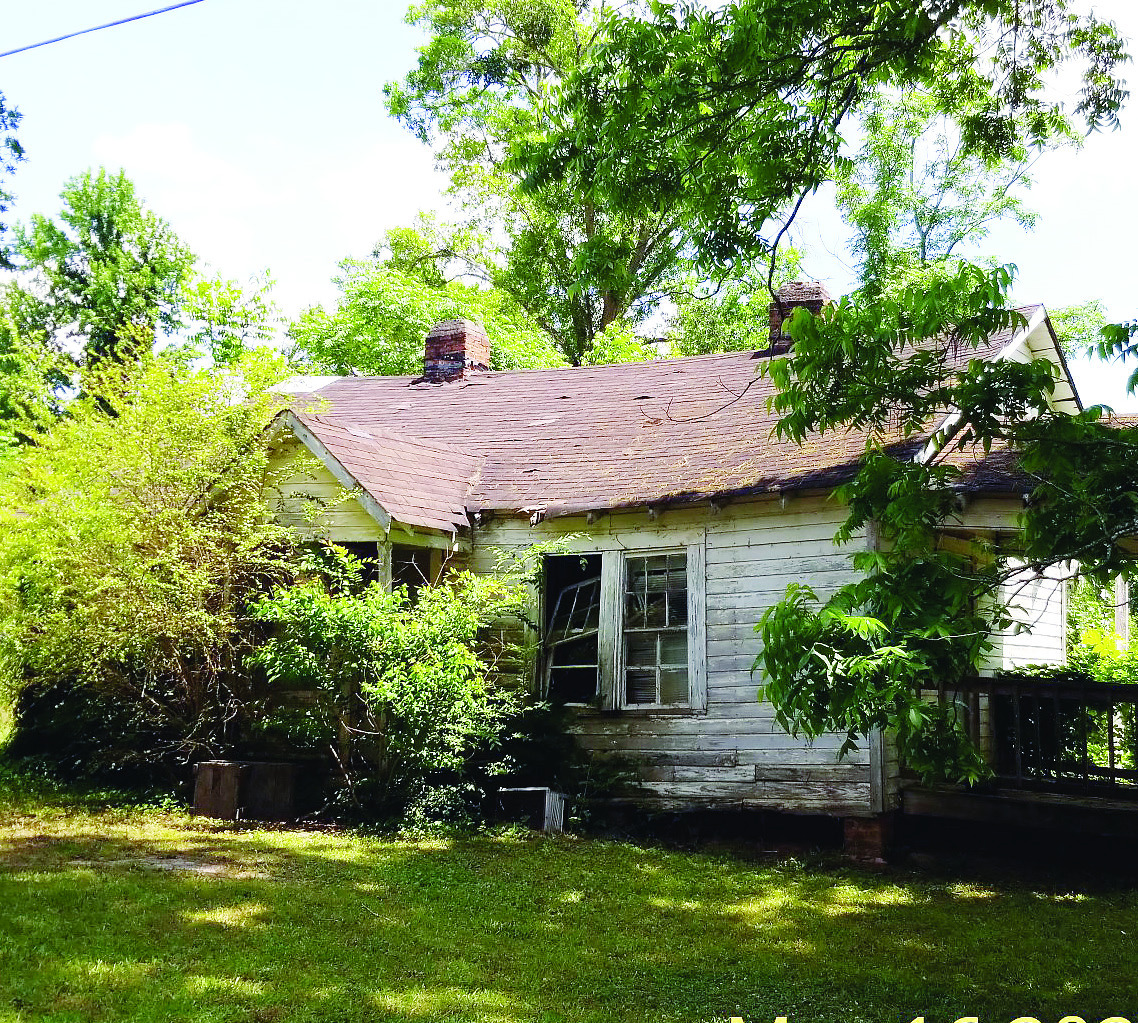
The problem of blight is a constant in local and national news and in Jones County it is handled in the office of Environmental Code Enforcement, which is a one-person operation.
Tiffany Davis has been Jones County’s Code Enforcement Officer since Dec. 6, 2002. She started her career working with the Georgia Environmental Protection Division after earning a BS and MS in biology. Her territory covered four counties, including Jones County.
The Jones County website states the primary focus of the department is educating the public about environmental issues concerning the county.
“The office enforces solid waste ordinances throughout Jones County and is a source of answers and solutions to environmental questions and problems. Other service areas include the regulation of the convenience/ recycling centers located in the county, oversight of logging operations, as well assisting the general public.”
While that sounds impressive enough, it is just the tip of the iceberg when it comes to the responsibilities of the Code Enforcement officer and what the department oversees.
Davis’ responsibilities include complaints about littering/open dumping, junk cars, illegal burns, unauthorized signs, logging operations and timber harvesting, enforcement at convenience centers, permitting for fuel tanks and systems, oversight of inert material grinding operations, EPD permitting and routine inspections, maintenance, review and submission of all ground water and methane testing reports to the EPD.
The officer is a member of the Middle Georgia Clean Air Coalition and a member of the coalition’s advisory team. She assists Keep Jones Beautiful and is responsible for environmental education.
In an Aug. 24 interview with Davis, she said since the county adopted the abandoned home ordinance in 2006, the county has dealt with 248 houses. The most recent demolition was completed in 2018 on Carl Williams Sr. Road.
“A few of the homes were found with no violations, but the remainder were repaired or torn down,” Davis said.
Progress was slowed while the courts were closed in 2020 and 2021, but it did not stop. Davis said work continued with notification of owners and signs on the property when the owner could not be contacted.
When the county’s app went live at the end of 2021, she had an estimated 50 cases on the books and has since received more than 200 complaints. When court reopened, the officer said 20 cases were ready to be filed in court, all but six were resolved before they were filed, and actual demolition orders were only needed for three.
The officer said when a complaint is received, the first step is inspection of the property, which is done by the Planning and Zoning Office to determine the violations. She said when violations are found, property owners are sent a notice of the violation.
“The hope is they will contact us with a plan to take care of the violation,” she said.
As with anything that goes through the court system, the process takes time. With each step, the homeowner has a period of time to comply.
Davis said the goal of the process is to work with the property owner to come into compliance. From her perspective, demolition of the structure is not the desired outcome.
“We don’t want to use taxpayer’s money to tear down houses,” she said.
The success stories of properties that are brought back into compliance get little attention, but the officer believes significant progress is being made.
“If I didn’t have a good ordinance to work with, I’d be in court all the time. A demolition order is the last step,” she said. “We have a lot of successes.”
With the new software, Davis can look at the complaints as they are posted. She said the app is being used more, but most people still prefer to call. Sixty-two complaints have been received since June.
The officer said her department has a joint database with Planning and Zoning that allows them to work together.
“That’s a great improvement,” she said
